Handy tips and advice
Our guides and insider tips will get you started whether you're in a caravan, motorhome, campervan or tent.
Get started
A well-delivered handover is a crucial element of your leisure vehicle purchase. Sammy Faircloth guides you off the forecourt
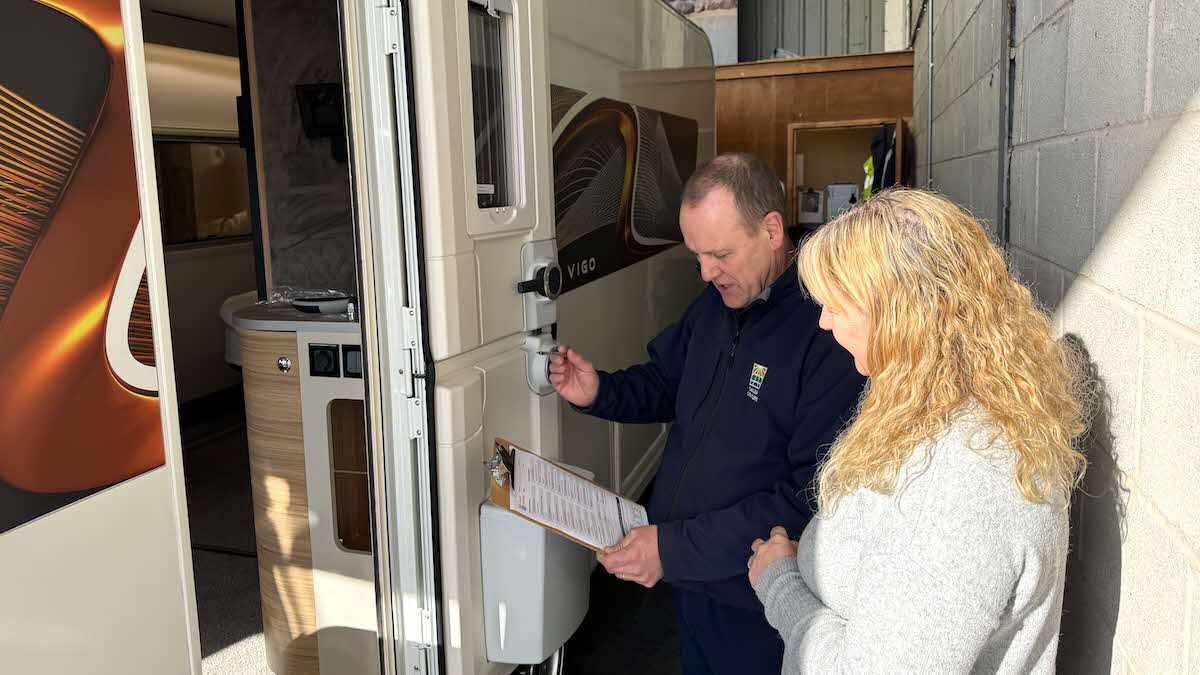 At Salop Leisure, we received a checklist of everything covered during the handover
The day has finally arrived to collect your new caravan or motorhome. Excitement is high, and there may be a few nerves, too. But you can relax – most dealerships provide a thorough customer ‘handover’. This step-by-step tour of your new pride and joy means that you can see how everything works in detail before receiving the final paperwork. If you’re buying privately, a formal handover isn’t guaranteed, but a conscientious seller might still provide a helpful walk-through.
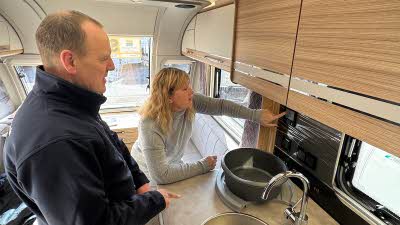
Earlier in the year, we visited Salop Leisure in Shropshire for the handover of our new(ish) Bailey Unicorn Vigo, part-exchanging our much-loved Swift Conqueror 565. The team looked after us brilliantly, guiding us through a thorough and well-organised handover. Every feature was explained clearly, from the smallest controls to the optional extras, leaving us confident and ready to enjoy our new caravan. Here’s what to expect when you collect your own vehicle.
The pre-delivery inspection is carried out before the customer arrives. This is the dealer’s opportunity to check the caravan or motorhome inside and out, identify and fix any faults, and make sure it’s cleaned and ready to go.
The handover itself is the customer’s personal walk-through and, for first-time buyers especially, this is vitally important. Modern leisure vehicles are sophisticated pieces of kit with a variety of systems that can present a steep learning curve. Seasoned owners will benefit as well, of course, as no two makes or models are exactly the same. Processes that seem as simple as making up a bed or setting the heating vary dramatically between brands.
Preparation is key. Before you head to the dealership, make a checklist of questions and features that you want to be demonstrated. Bring your phone or camera and make notes – you’d be surprised how much you can forget on the way home. Above all, don’t let the dealer rush you. A thorough handover takes time, and you should feel comfortable asking for explanations more than once.
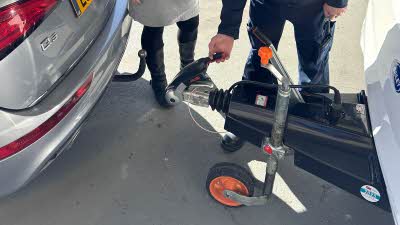
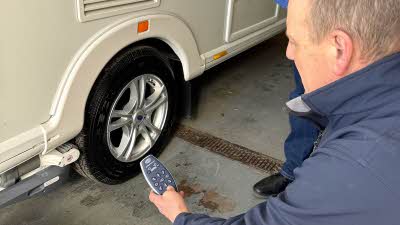
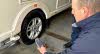
During the exterior walk-around you should learn where the jacking points are, check the age and condition of tyres, and find the location of the weight plate (you need to understand the figures on this in relation to issues such as payload – you can find out more information on weight on pages 125-127 of the October 2025 issue).
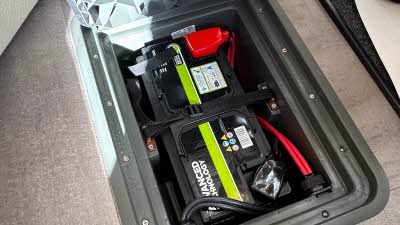
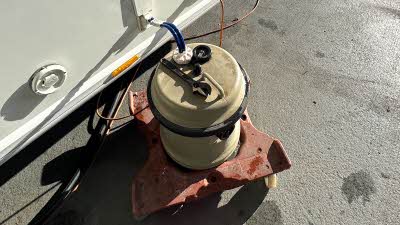
You also need to know the location of the leisure battery, the waste-water outlet, the fresh-water filler and pump, and – for motorhomes – the diesel and AdBlue filling points. The gas locker and its contents should be explained, including how to turn bottles on and off, and you should ask about other storage space and external lockers. You may also be shown how to operate wind-out canopies, external barbecue points and outdoor showers.









Before leaving, take a slow walk around to check for any scratches or dents, and point out anything you spot to the dealer immediately.
Check that any extras you ordered have been fitted, ask for the wheel nuts to be torqued in your presence, and make sure all road lights are working.
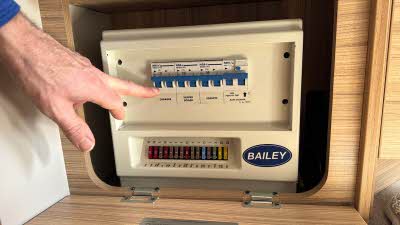
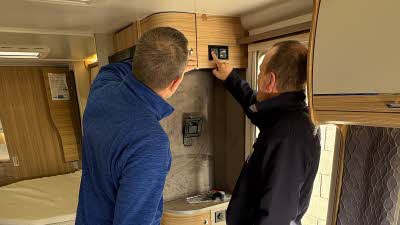
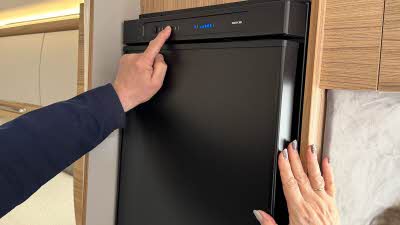
Inside, your dealer should cover the location of the fuses, how to operate the main control panel, and how to use heating and hot water systems. They should explain filling and draining the water, running the fridge and freezer on different power sources, and – if fitted – how to use TV, Wi-Fi and satellite equipment.
Living arrangements matter too, of course: how to set up travel seats and belts (in motorhomes), how to make up beds and operation of drop-down or fixed beds all need attention. You should also look at how tables are erected and stored – some motorhomes feature fixed multi-directional tables that take a little getting used to. A good dealer should supply a straightforward checklist of everything they’ve shown you.
You’ll also finalise paperwork during the handover. Ensure that you leave with all manuals and warranty documents in hand, and that you understand the terms of such warranties. If you’re part-exchanging, remember the V5C (log book) or CRiS (Central Registration and Identification Scheme) registration, keys and manuals for your old vehicle. For caravans, confirm the CRiS registration on your purchase is complete and note when the next habitation or mechanical services are due.
A useful tip is to book your first stay in your new vehicle close to the dealership. Setting up at a nearby campsite allows you to test everything while help is still within reach. It’s common to spot minor snags in the first day or two, so make a list and send it in writing to your dealer.
The handover is your opportunity to ensure you get the best from your new investment. Take your time, ask questions, and ask again if you are unsure. With a thorough handover under your belt, you’ll feel confident – and ready to enjoy your next adventure.