Marcus Leach and family discover Portugal’s northern wild side in the Peneda-Gerês and Montesinho parks
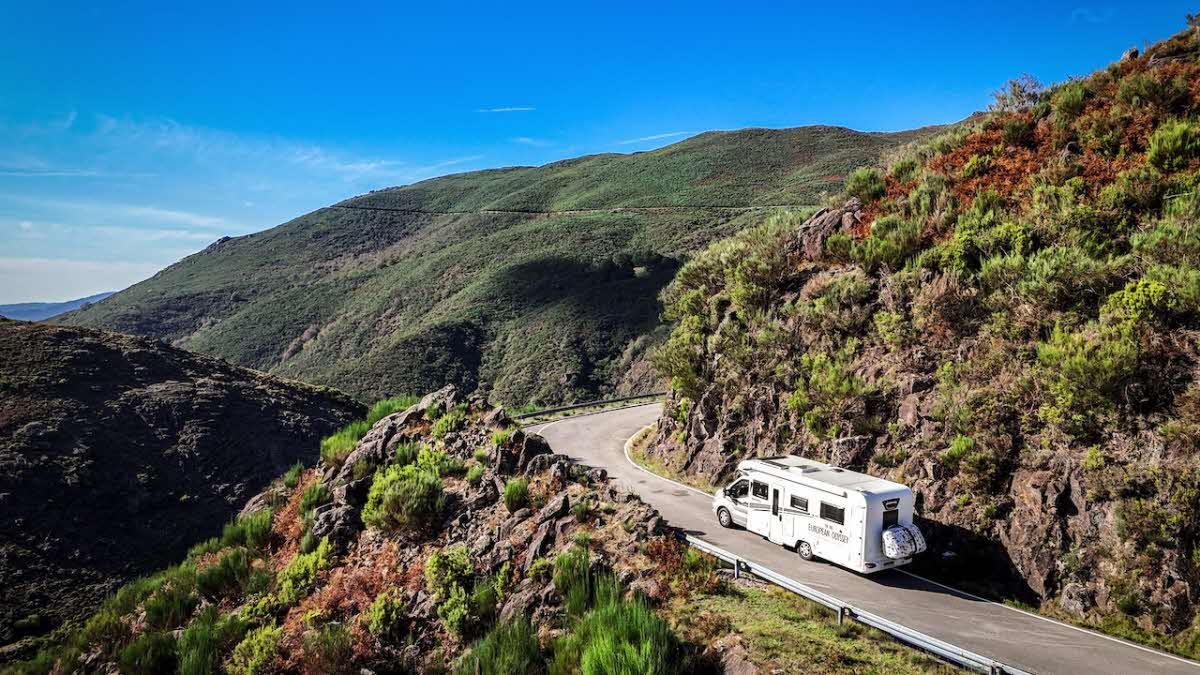 Driving in Peneda-Gerês
Had it not been for a missed turn earlier in the day we might not have found ourselves standing here, high in the Serra da Peneda, gazing down into a sprawling valley shrouded in fog, a series of lakes glinting with a metallic sheen. Somewhere below a bell chimed, distant and hollow, followed by an almost eerie silence.
As far as first impressions go, this was a pretty good one. We hadn't come looking for Portugal’s only national park – in truth, we hadn’t even heard of Peneda-Gerês until a few days before we arrived. But from up here, high in the mountains without a single soul around, something told us we were exactly where we needed to be.
When we decided to head to Portugal for an eight-week tour, in order to break up the journey from Santander in Spain to Porto, we factored in a couple of stops along the way, conveniently making use of lesser-known sites on the Club’s European partner network. Little did we know that these stops would turn out to be so memorable.
Even before we arrived in Peneda-Gerês we had been treated to a magical four days in Montesinho Natural Park, a border region largely overlooked by tourists but full of quiet beauty and unspoilt character. Our base there was Cepo Verde, a peaceful, family-run, terraced site nestled into the wooded hills with views stretching to the horizon.
We arrived just as the seasonal sweet chestnut harvest was beginning, and the landscape felt alive with purpose. The hills, already glowing with vibrant autumnal colours, echoed with the sounds of the season – leaves rustling underfoot, the distant hum of tractors and bursts of laughter as families worked together beneath the trees.
It wasn’t long before the peals of laughter were much closer, our children Harrison and Dorothy joyously charging through great swathes of fallen leaves, ducking in and out of the old, gnarled sweet chestnut trees that surrounded the site.
Later that evening we would sit in front of the motorhome eating freshly roasted chestnuts while watching the sun slowly slide out of sight, a burnt orange glow lingering long after it had disappeared. It would be one of the defining memories of our time in northern Portugal, a reminder that travel is often about simple moments of connection and shared experiences.
The best way to explore Montesinho Natural Park, as we discovered, is on two feet. There is a host of excellent hiking trails, many of which showcase not only the natural beauty of the region, but also allow you to discover its cultural heritage. A good example is the circular trail that begins and ends in the sleepy village of Montesinho.
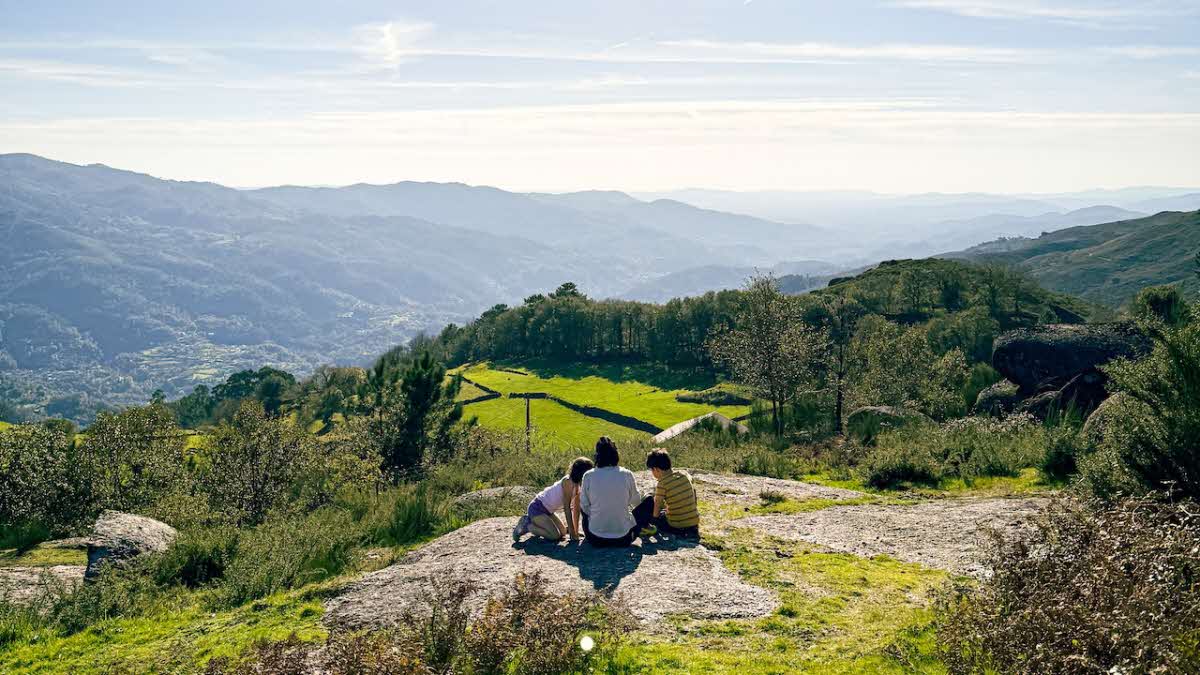 Picnic with a great view
Winding its way through quiet paths, the walk reveals some of the park’s most scenic areas, highlighting ancient woodland, open glades and distant mountain views. However, the pièce de resistance comes when you reach the serene Serra Serrada reservoir, a still, glassy expanse that provided the perfect place to stop for a picnic. Our route finished back in Montesinho, a village full of traditional charm. Thankfully there was one little shop open, allowing us to fulfil the promise of ice cream for Harrison and Dorothy.
It was time to set off in the direction of our next site, Parque Cerdeira. Distracted by the beauty of the landscape, we missed a turning, and found ourselves heading back into Spain.
Travel has a way of throwing up unexpected moments – moments that become highlights. And so it was on our new, re-calibrated route when we spotted a small sign for thermal pools. We needed no second invitation and it wasn’t long before we were all wallowing in the marvellously hot (and supposedly healing) waters of Caldaria de Lobios.
By the time we rejoined our intended route it was getting late in the day, the light beginning to soften as we crossed the border and found ourselves entering a landscape altogether more dramatic. Soon enough, we were standing at the edge of that vast valley, fog curling its way around the lakes below, everything still and hushed save for that church bell.
Rugged beauty
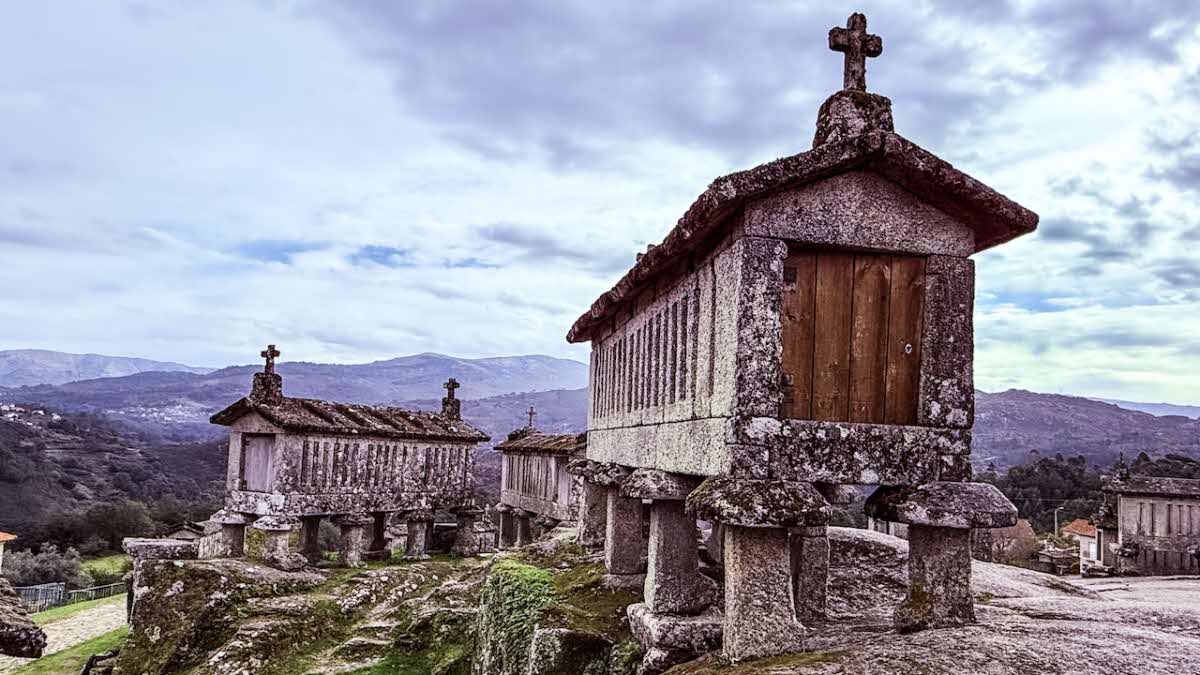 Espigueiros in Soajo
Parque Cerdeira proved to be an excellent base for our time in the Peneda-Gerês National Park, and the variety of daily activities on offer provided the perfect way to explore the area. Each day there were two guided walks showcasing the best landscapes and natural heritage of Peneda-Gerês, and local guide Carlo truly brought the region to life.
Having enjoyed our first walk so much, we eagerly signed up to another, slightly longer outing. The path – an old shepherd’s trail – picked its way through granite boulders and outcrops of trees, the sky above us a brilliant blue as we made our way ever upwards towards one of the region’s many miradouros (viewpoints). It was from here that we got a real sense of the scale and beauty of the park.
Jagged peaks rose all around us, little villages in the distance lay nestled in the folds of the landscape, vast lakes shimmered in the morning sun and a pair of eagles floated effortlessly on the thermals. This wasn’t the Portugal we thought we would discover: it was wild, remote and ruggedly beautiful.
There is, however, more to Peneda-Gerês than stunning landscapes, the village of Soajo being a perfect example. Set on a plateau beneath a backdrop of gnarled mountains on the periphery of the national park, it is best known for its cluster of ancient espigueiros, distinctive stone corn stores balanced on stilts and topped with crosses. They were designed to protect vital food crops from rats and other pests, and served the entire community. The oldest among them dates back to 1782, with the rest constructed throughout the 18th and 19th centuries. Twenty-four still stand today, a handful of which continue to be used for their original purpose.
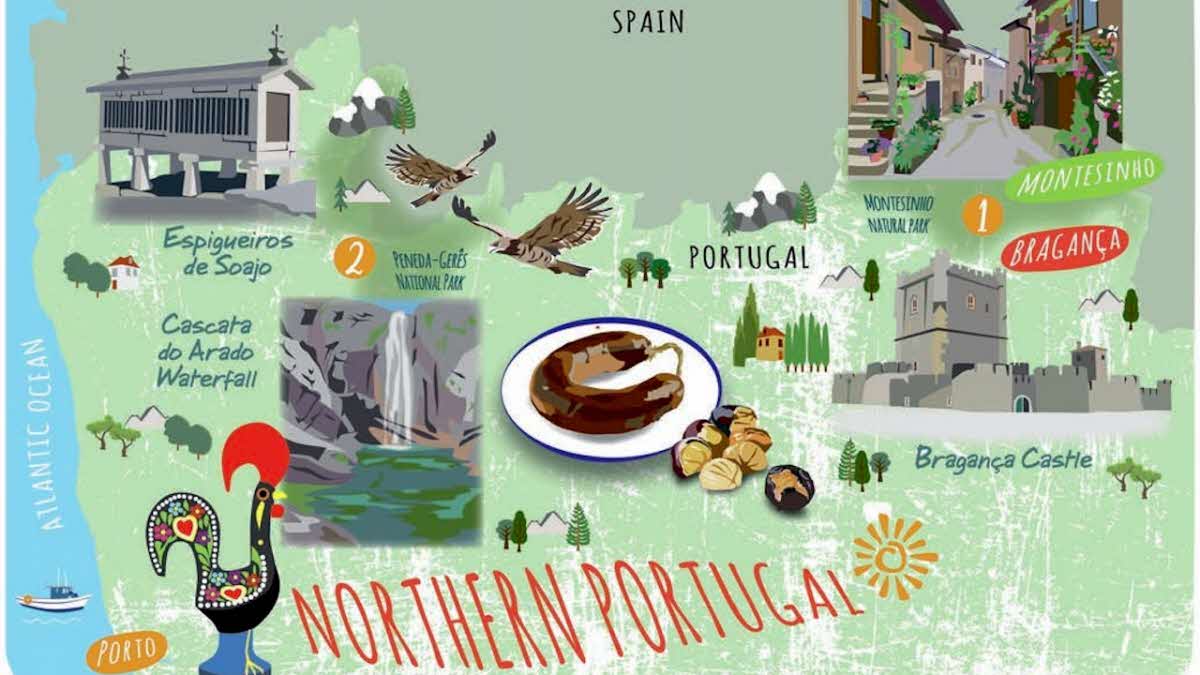 Illustration by Louise Turpin
Fresh from learning about the espigueiros, we stumbled across a delightful, cosy, family-run establishment. As delicious as the meal was, it was the story behind one of the dishes that was most remarkable. Alheira, a lightly smoked sausage, was created in the 15th century by persecuted Jewish communities who replaced traditional pork with bread and poultry in order to adhere to their religious beliefs. Shaped like traditional sausages and hung in plain sight, it combined clever disguise with a quiet act of resistance. The alheira – which today contain various meats, including pork – is considered one of Portugal’s gastronomic wonders.
As charming as Soajo was, it was the surrounding landscapes that truly captivated us. Further exploration of the national park revealed ancient forests carpeted with moss, tiny hamlets forgotten by time, and numerous waterfalls. Peneda-Gerês is the sort of place that rewards those willing to go a little further, to slow down and savour the smaller details.
I remember reading a Martin Buber quote some time ago that said, “All journeys have secret destinations of which the traveller is unaware.” We came to Portugal expecting sun-soaked beaches along the Algarve, the buzz of Lisbon and the charm of historic Porto. What we didn’t expect was to discover a corner of the country so rich in culture, history and breathtaking natural beauty.