Club campsites in Scotland
Home to some of the most beautiful landscapes in the world and a great place to go touring.
Book campsites in Scotland
Africa may have lions and elephants – but Scotland has its very own ‘big five’. Anna Haines goes on safari…
While many are probably aware of the ‘big five’ that can be seen on an African safari, you might not know that there is also a Scottish ‘big five’, comprising the red squirrel, red deer, golden eagle, otter and common (or ‘harbour’) seal? Here I suggest places that you might like to visit and stay in the hope of catching glimpses of these beautiful wild animals.
For many years, Britain’s loveable native squirrel has been under threat from disease and competition following the introduction of the North American grey squirrel. Scotland is home to around 80% of the UK’s remaining red squirrel population, although numbers are slowly increasing across the nation, thanks to successful rewilding projects.
The woodlands of Angus and Perthshire are great places to spy these rascally creatures in action. Check out the designated squirrel feeding stations around the Loch of Kinnordy (nearest Club campsite – Forfar Lochside) or on the Leafy Loop trail at Loch Leven (stay at Balbirnie Park Club Campsite), particularly in late summer and autumn when the adults are busy hoarding food for the winter. Signs of nearby squirrel activity include the presence of dreys (treetop homes, resembling birds' nests with a few entrance holes), as well as piles of discarded pine cones, evidence of a recent dinner party in the trees above!
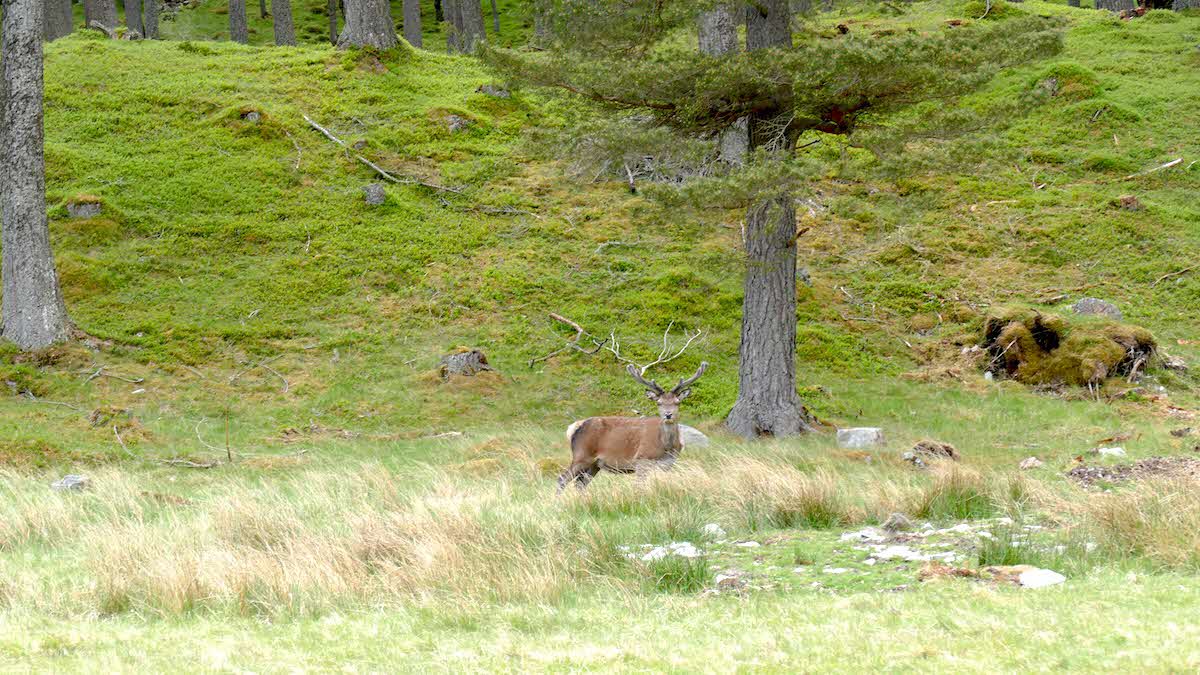 Red deer at the Linn of Dee
Scotland is home to the largest population of red deer in Europe. These majestic beasts are widespread in summer across hillside and mountaintop, descending in winter to shelter in the forests. Red deer are distinguishable from Scotland’s other deer species – roe, fallow and sika – by their size (they are the largest land mammal in the UK), reddish-brown fur and paler tail.
Mar Lodge Estate in the heart of the Cairngorms National Park (nearest Club campsite – Silverbank) has a healthy population of red deer, which can be seen on the fringes of Braemar village and into the heart of the estate, frequently around the Linn of Dee car park. According to countryside ranger Ben Dolphin, the autumn rut is a good time to visit the Linn of Quoich and listen for the stags roaring, announcing their territory and intentions to the hinds. Care should be taken not to disturb them, while Ben says visitors should also be aware that many estates undertake their stalking activities during autumn.
For a guaranteed encounter head to the Red Deer Range in Galloway Forest, where deer can be observed from a designated viewing area and hide (stay at Garlieston Club Campsite).
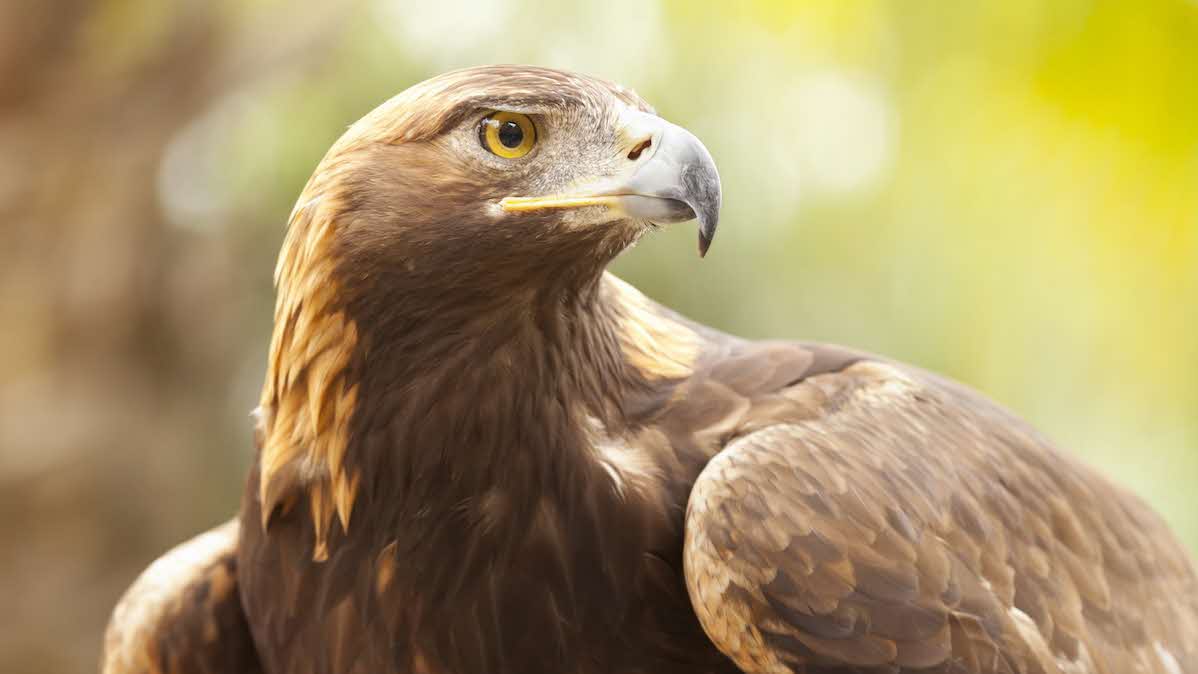 The iconic golden eagle ©National Trust for Scotland
The golden eagle is Scotland’s most iconic bird and its number one predator. Exceptional hunters, they target rabbits, hares, grouse and foxes, and have even been known to attack herds of deer!
Although scarce (a 2015 survey recorded 508 breeding pairs), there are a handful of Highland and island locations where you are almost guaranteed to catch a glimpse of the birds, which dominate the skyline with their impressive two-metre wingspans. The hills around Ben More on Mull, for example, are excellent for golden eagles and their white-tailed cousins (you could use North Ledaig Affiliated Site on the mainland as a base). Use binoculars to look for perched and soaring birds along ridge lines and prominent hilltops; they use updraughts to gain height so note the wind direction and scan along hillsides and cliffs facing into the wind.
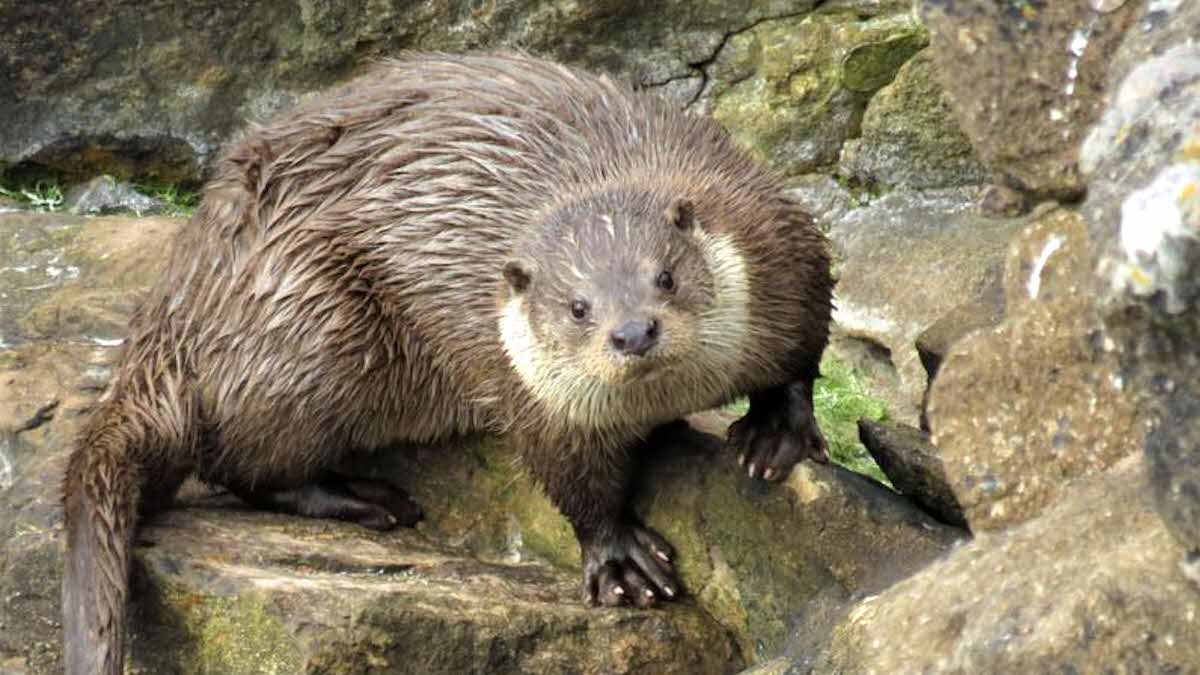 Otters are thriving ©Jennifer Clark, NatureScot
Bouncing back from the brink of extinction in the 1950s, there is now a thriving otter population in Scotland. At home in both marine and freshwater habitats, these sleek swimmers are the toughest of the big five to spot. Coastal encounters are more likely, with otters preferring sheltered waters at low tide where feeding opportunities are abundant. They are best seen on calm days at dawn and dusk as they forage, surfacing and diving for a catch, which they typically then swim to shore to eat. The Moray Firth supports good numbers around the Black Isle and Chanonry Point (stay at Culloden Moor Club Campsite).
While it’s possible to find otters in almost every inland waterway (I have it on good authority that a pair is currently thriving on one of Dundee’s industrial estates!), finding otters inland is tougher, with ditches and reeds providing sheltered foraging grounds.
The River Spey has been designated as a Site of Special Scientific Interest due in part to its otter population, with frequent sightings along the river outside of the Speyside Visitor Centre in Aberlour
(you could stay at Grantown-on-Spey Caravan Park Affiliated Site). A lucky encounter will require a suitable stretch of waterway at dawn or dusk, binoculars and a lot of patience! Realistically, you are more likely to spot signs of their presence, such as spraints (droppings), tracks and the remains of meals such as fish bones or crab shells, rather than the otters themselves.
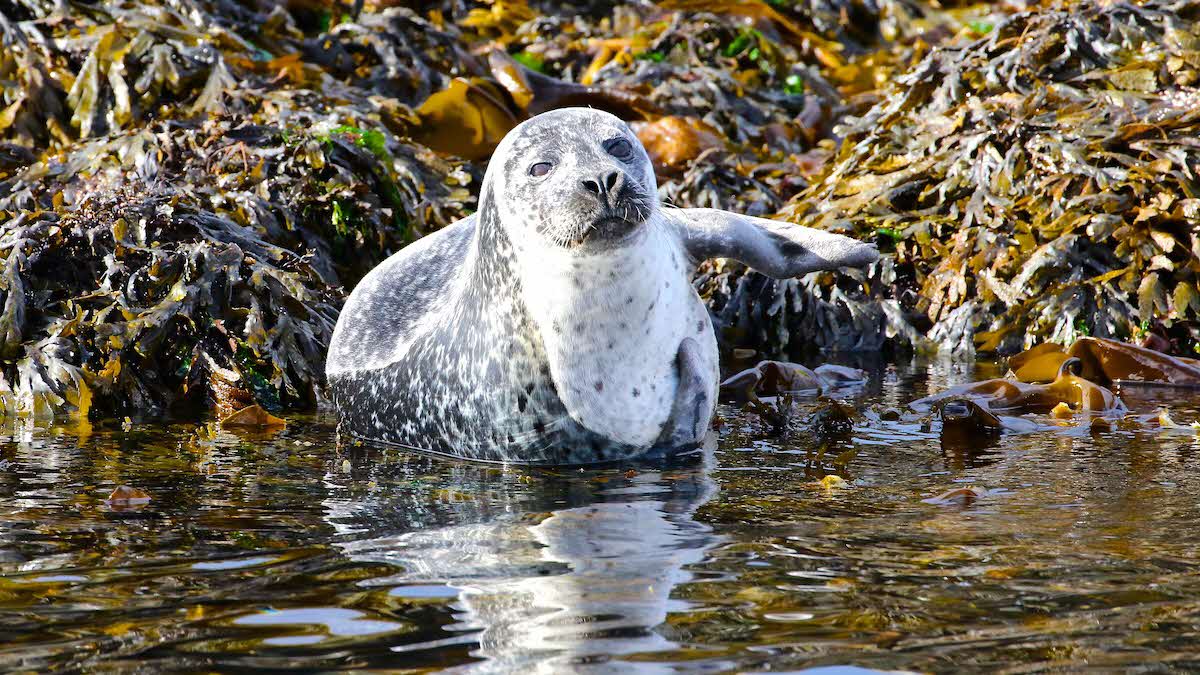 Common Seal ©Rob Miller
The common or harbour seal is by far the easiest animal to tick off the checklist, with numbers topping 20,000 around Scotland’s coast. Best witnessed at low-tide ‘haul-outs’ on sheltered swathes of sand, mud and rocks, they can also be seen hunting offshore from many a clifftop or seaside town. Distinguishable from larger and more abundant grey seals by their round heads and close-set eyes and nose (grey seals have an elongated muzzle), common seals have a distinctive ‘banana’ profile – with their head and tail in the air – when hauled out.
Sizeable colonies can be found on the west coast, with good numbers on Arran basking on rocks around Blackwaterfoot and on the Corrie shore (you could use Carradale Bay campsite on the mainland as a base). Common seals can be seen in smaller numbers on the east coast, especially around Loch Fleet in Sutherland (stay at Brora Club Campsite) and hauled out with large numbers of grey seals on the sandbars of the Ythan Estuary in Aberdeenshire.
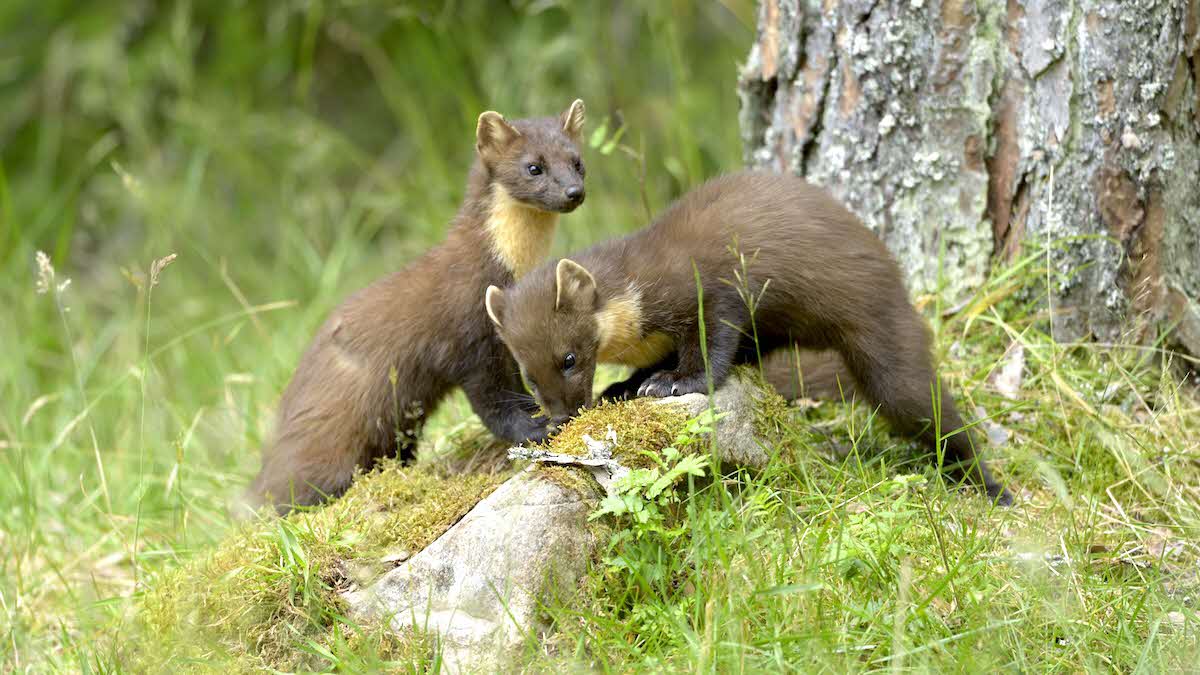 PineMarten ©Lorne Gill, NatureScot
Capercaillie – The largest member of the game bird family, the nation’s most vulnerable bird resides in Scotland’s pinewoods and should not be sought out or disturbed; see lekitbe.scot for more information. However, they can be watched live on the capercaillie dust bath webcam at the RSPB Loch Garten Nature Centre, Abernethy (stay at Culloden Moor Club Campsite).
Pine marten – Once endangered, these exceptionally adept climbing mammals are making a comeback across the woodlands of north-east Scotland. They are frequently caught on trail cameras at Craigievar Castle (stay at Silverbank Club Campsite).
Scottish wildcat – One of Scotland’s rarest and most endangered species, this shy, nocturnal animal looks similar to a domestic tabby cat. Protected under Scottish and European law, a small number were released into the wild in the Cairngorms National Park in 2023/2024.
Mountain hare – A master of disguise, the mountain hare’s coat changes colour from grey-brown to white with the seasons to blend in with its surroundings.
Scottish crossbill: This large finch is endemic to Scots pine forests (notably Corrimony and Loch Garten), using its unusually shaped bill to prise out seeds from pinecones (stay at Culloden Moor Club Campsite).
Eurasian beaver: Reintroduced to Scotland in 2009, the second largest rodent in the world can be observed from the Argyll Beaver Centre in Knapdale (stay at Carradale Bay Club Campsite).